#oil-prices News & Analysis
Coverage of #oil-prices has intensified recently, with 177 articles published in the last 30 days out of 306 total indexed pieces. Sentiment remains heavily bearish at 67.2%, with neutral coverage at 19.8% and bullish perspectives comprising just 13% of recent reporting. The bearish outlook has held steady compared to the prior quarter, showing stable sentiment trends.
Discussion of oil prices frequently overlaps with coverage of geopolitical risk, market volatility, and cryptocurrency movements, particularly Bitcoin. Scan the article list below to explore how energy markets and related asset classes are being covered across major outlets.
sentiment · last 30d (177 articles)Top sources:Crypto Briefing · 145CoinDesk · 32Blockonomi · 32Fortune Crypto · 25crypto.news · 12
Most-discussed entities:Nvidia · 1ChatGPT · 1
GeneralBearishCrypto Briefing · Jun 8🔥 8/10
📰Escalating geopolitical tensions between Iran and regional adversaries have triggered a surge in oil prices, creating inflationary pressure that complicates monetary policy decisions for central banks worldwide. This development carries significant implications for global financial markets, including cryptocurrency and digital assets that often respond to macroeconomic conditions and inflation expectations.
GeneralBearishCrypto Briefing · Jun 8🔥 8/10
📰Iran launched a missile attack against Israel, escalating Middle East tensions and threatening an already fragile ceasefire. The conflict risks destabilizing regional geopolitics and triggering broader market volatility affecting cryptocurrency and traditional assets.
CryptoBearishCrypto Briefing · Jun 8🔥 8/10
⛓️Iran launched missiles at Israel in retaliation for an Israeli airstrike on Beirut, triggering renewed Middle Eastern conflict that sent Bitcoin down to $62.9K. The escalation raises concerns about sustained geopolitical volatility and its potential economic ripple effects across global markets.
$BTC
GeneralBearishCrypto Briefing · Jun 8🔥 8/10
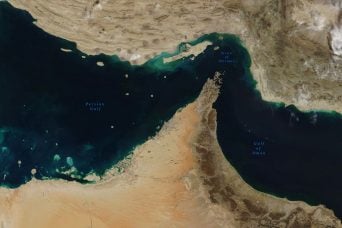
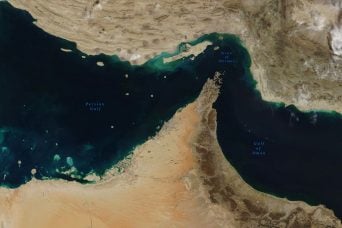
📰Fitch Rating Agency projects Brent crude oil will remain in the $100-110 per barrel range during June-July amid potential Strait of Hormuz closure, creating sustained pressure on global energy markets and economic conditions that could ripple through cryptocurrency and broader financial markets.
GeneralBearishCrypto Briefing · Jun 87/10
📰OPEC+ increased its July oil output quota by 188,000 barrels per day, but geopolitical tensions constrain actual production capacity and exports. These supply limitations sustain elevated oil prices, fueling inflation that complicates central bank monetary policy and pressures broader financial markets including cryptocurrencies.
GeneralBullishBlockonomi · Jun 8🔥 8/10
📰Battalion Oil (BATL) stock surged 48.5% in premarket trading following Israeli military strikes on Iran, which pushed Brent crude prices above $97 per barrel. The geopolitical escalation triggered a broader rally across energy sector equities as investors anticipated sustained upward pressure on oil prices.
CryptoBearishBlockonomi · Jun 8🔥 8/10
⛓️Escalating Iran-Israel military tensions triggered a sharp selloff across global markets, with Bitcoin falling below $63,000 and Asian equities declining 6.8%. Oil prices surged to $93.50 as geopolitical risk premiums compressed risk assets across crypto and traditional markets.
$BTC
CryptoBearishBlockonomi · Jun 8🔥 8/10
⛓️Bitcoin dropped below $63,000 following Israeli airstrikes on Iran, reversing gains from the previous Trump-rally momentum. The geopolitical escalation triggered broader market volatility, with oil prices surging and the US dollar strengthening as investors reassess risk exposure across asset classes.
$BTC
GeneralBearishCrypto Briefing · Jun 8🔥 8/10
📰Iran launched missiles toward Israel, escalating regional tensions and increasing geopolitical instability. The conflict raises concerns about broader U.S. involvement and threatens peace prospects in the Middle East, with potential implications for global markets and asset volatility.
GeneralBearishCrypto Briefing · Jun 8🔥 8/10
📰Houthi militants have threatened to block Israeli ships transiting the Red Sea, escalating regional tensions. This geopolitical conflict threatens critical global shipping lanes and could disrupt international trade, including energy markets and cryptocurrency market liquidity tied to traditional finance stability.
CryptoBearishCoinDesk · Jun 87/10
⛓️Major cryptocurrencies including Bitcoin, Ethereum, and XRP declined from overnight highs as geopolitical tensions between Iran and Israel combined with a 3% oil price surge to trigger risk-averse sentiment across Asian equity markets, creating spillover effects into digital assets.
$BTC$ETH$XRP
GeneralBearishCrypto Briefing · Jun 8🔥 8/10
📰Israel has launched retaliatory air strikes against Iran, escalating an ongoing regional conflict. The military action is expected to destabilize Middle Eastern markets and increase geopolitical tensions, with potential ripple effects across global economic and security systems.
GeneralBearishCrypto Briefing · Jun 7🔥 8/10
📰President Trump has issued a 60-day ultimatum for Iran negotiations, threatening to end talks without a swift Iranian response. This geopolitical development carries significant implications for global oil markets, currency valuations, and broader macroeconomic stability that directly affect cryptocurrency price movements and investor risk appetite.
GeneralBearishFortune Crypto · Jun 7🔥 8/10
📰Multiple macroeconomic and geopolitical risks are simultaneously pressuring financial markets, including escalating Iran-U.S. tensions in the Strait of Hormuz, concerns about an artificial intelligence valuation bubble, and expectations of continued Federal Reserve rate increases. These compounding uncertainties create a volatile environment where a major SpaceX IPO could introduce additional market instability.
GeneralBearishCrypto Briefing · Jun 7🔥 8/10
📰US military strikes on Iranian drone and radar facilities have escalated Middle East tensions, disrupting ceasefire negotiations and raising concerns about oil supply disruptions. The geopolitical conflict creates immediate volatility in cryptocurrency and broader financial markets as investors reassess risk exposure.
GeneralBearishFortune Crypto · Jun 7🔥 8/10
📰President Trump contradicts his previous campaign pledges of avoiding new wars, claiming he never guaranteed no conflict while emphasizing military strength. The statement comes amid escalating tensions in the Strait of Hormuz and ongoing Iran-related military operations, creating uncertainty around geopolitical stability and its potential ripple effects on global markets including energy and cryptocurrency.
GeneralBearishCrypto Briefing · Jun 7🔥 8/10
📰Iran conducted warning military exercises involving missiles and drones targeting US warships in the Gulf of Oman, escalating geopolitical tensions in a critical global energy corridor. The incident has triggered immediate volatility in oil markets and cryptocurrency prices due to concerns about potential disruptions to energy supply and broader macroeconomic instability.
GeneralBearishCrypto Briefing · Jun 6🔥 8/10
📰Iran has threatened to completely close the Strait of Hormuz following missile attacks on US military bases, potentially disrupting global energy supplies. Such a blockade would create significant geopolitical instability and could ripple through financial markets, including cryptocurrency valuations tied to macroeconomic conditions.
GeneralBearishCrypto Briefing · Jun 5🔥 8/10
📰A blockade of the Strait of Hormuz amid Iran conflict has disrupted critical energy infrastructure, exposing vulnerabilities in global fossil fuel supply chains. The incident is accelerating discussions around renewable energy adoption as a more resilient alternative to traditional oil and gas dependency.
AIBearishBlockonomi · Jun 47/10
🧠Broadcom's earnings report triggered a broad selloff in AI and semiconductor stocks, including Marvell and CrowdStrike, while crude oil prices simultaneously surged past $95 per barrel. The dual market movements reflect broader concerns about tech sector valuations and macroeconomic pressures from rising energy costs.
CryptoBearishCrypto Briefing · Jun 47/10
⛓️Wall Street is retreating from record highs as Middle East geopolitical tensions escalate and crude oil prices surge. These macroeconomic headwinds pose risks to economic growth, complicate central bank policy decisions, and create uncertainty for cryptocurrency markets that have increasingly correlated with traditional assets.
GeneralBearishCrypto Briefing · Jun 47/10
📰Kuwait Petroleum Company projects 10-12 weeks to restore oil output following the reopening of the Strait of Hormuz, a critical global energy chokepoint. The extended recovery timeline could sustain elevated crude prices, with implications for inflation trajectories and potential shifts in monetary policy expectations that ripple through cryptocurrency markets.
GeneralBullishCrypto Briefing · Jun 47/10
📰The US House of Representatives passed a war powers resolution to prevent military action against Iran, a move that signals congressional restraint on military escalation. The resolution's approval demonstrates legislative influence over geopolitical outcomes, which directly impacts commodity markets and cryptocurrency volatility through reduced Middle East conflict risk.
GeneralBearishCrypto Briefing · Jun 4🔥 8/10
📰The Trump administration is moving to terminate Russian oil waivers as quickly as possible, according to Secretary of State Marco Rubio's statements to the Senate. This policy shift could significantly increase global oil prices, with cascading effects on inflation, monetary policy, and reduced investment in speculative assets like cryptocurrencies.
GeneralBearishCrypto Briefing · Jun 3🔥 8/10
📰Escalating tensions between Iran and the US have triggered a surge in oil prices, creating significant global economic uncertainty. The geopolitical crisis threatens energy security and financial stability, with ripple effects across cryptocurrency and broader financial markets sensitive to macroeconomic shocks.