GeneralBearishCrypto Briefing · May 31🔥 8/10
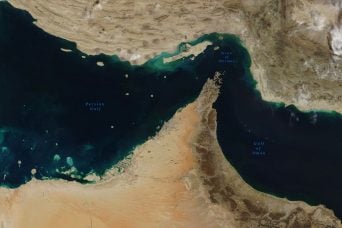
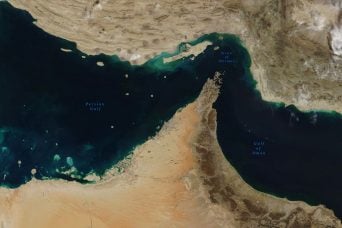
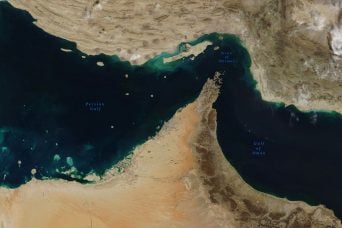
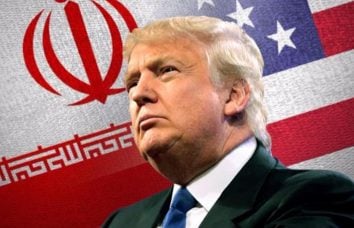
📰Potential closure of the Strait of Hormuz amid Iran-US tensions threatens to disrupt global oil supply, risking significant price increases and geopolitical instability. This energy crisis could have cascading effects on macroeconomic conditions that influence cryptocurrency and digital asset markets.
GeneralBullishCrypto Briefing · May 297/10
📰Progress in US-Iran nuclear negotiations could ease geopolitical tensions and potentially lift sanctions, enabling increased Iranian oil exports to global markets. This development may increase worldwide crude supply and exert downward pressure on WTI crude oil prices, affecting energy markets and asset correlations across commodities and cryptocurrencies.
GeneralBearishCrypto Briefing · May 12🔥 8/10
📰Iran has blocked the Strait of Hormuz amid escalating tensions with the United States, creating significant disruption risks to global oil supply chains. This geopolitical crisis threatens market stability and increases systemic risk across commodity and financial markets worldwide.
GeneralBearishCrypto Briefing · May 12🔥 8/10
📰Iran has deployed mini submarines in the Strait of Hormuz amid escalating tensions with the US, raising concerns about potential disruptions to global oil supply and maritime stability. The geopolitical escalation could impact energy markets and investor confidence in risk assets including cryptocurrencies.
GeneralBearishCrypto Briefing · May 12🔥 8/10
📰Saudi Aramco's CEO has cautioned that stabilizing global oil markets depends on resolving tensions with Iran, warning that prolonged conflict could trigger a historic oil supply disruption. The statement underscores how geopolitical instability threatens energy infrastructure and global economic stability, with implications for cryptocurrency and broader financial markets sensitive to energy costs and macroeconomic conditions.
GeneralBearishCrypto Briefing · May 11🔥 8/10
📰Escalating US-Iran tensions over control of the Strait of Hormuz pose significant risks to global oil supply chains. Military intervention could disrupt one of the world's most critical energy chokepoints, with cascading effects on energy prices and macroeconomic stability.
GeneralBearishCrypto Briefing · May 117/10
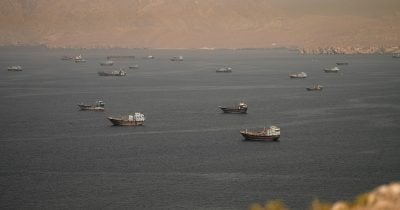
📰The US military has rerouted 62 ships through the Strait of Hormuz amid escalating regional tensions, raising concerns about potential disruptions to global oil supplies. This geopolitical development carries significant implications for international energy markets and could trigger broader macroeconomic volatility that affects cryptocurrency and digital asset valuations.
GeneralBearishCrypto Briefing · May 11🔥 8/10
📰Saudi Aramco has warned that a sustained closure of the Strait of Hormuz would result in the loss of approximately 100 million barrels of oil per week, creating severe disruptions to global oil supplies and intensifying geopolitical tensions. This warning underscores the critical vulnerability of global energy infrastructure and its potential ripple effects on economic stability and commodity markets.
GeneralBearishCrypto Briefing · May 117/10
📰Geopolitical tensions in Iran are disrupting global oil supply chains, raising concerns about energy security and market stability. The U.S. dollar remains relatively steady despite broader market uncertainty, reflecting competing macroeconomic pressures and investor risk reassessment.
GeneralBearishCrypto Briefing · May 10🔥 8/10
📰Middle East geopolitical tensions are disrupting oil supply chains, creating upward pressure on WTI crude prices. The supply disruption underscores fragilities in global energy infrastructure and may accelerate investment in alternative energy sources.
GeneralBearishCrypto Briefing · May 17/10
📰Exxon's oil production has declined 6% due to disruptions in the Strait of Hormuz stemming from US-Iran tensions, highlighting how geopolitical conflicts directly impact global energy supply and inflation dynamics. This supply shock carries broader macroeconomic implications that could influence cryptocurrency and traditional asset valuations.
GeneralBearishCrypto Briefing · Apr 217/10
📰CENTCOM has ordered 28 vessels to return to Iran, escalating Middle Eastern geopolitical tensions and raising concerns about potential oil supply disruptions. This military directive could trigger increased crude oil market volatility and ripple effects across energy-dependent cryptocurrency markets and blockchain infrastructure.
GeneralBearishCrypto Briefing · Apr 197/10
📰Attacks on vessels in the Strait of Hormuz have intensified geopolitical tensions in a critical global energy chokepoint. The disruptions threaten oil and gas supply stability, potentially triggering volatile energy markets with cascading effects on global economies and cryptocurrency valuations tied to macroeconomic conditions.
GeneralBearishCrypto Briefing · Apr 177/10
📰Escalating US-Iran tensions are creating supply-side disruptions in global oil markets, raising inflation concerns that could delay Federal Reserve rate cuts previously expected in December 2026. The geopolitical uncertainty is shifting market expectations for monetary policy, with investors reassessing the timeline for economic relief through lower interest rates.
GeneralBearishCrypto Briefing · Apr 15🔥 8/10
📰Alex Turnbull discusses how potential Strait of Hormuz closures threaten global oil supply stability, with Asia's heavy dependence on Middle Eastern crude creating systemic vulnerabilities. The analysis also examines how negative refining margins are pressuring operational viability across the sector, while East Asia's nuclear power revival and EV demand surge reshape regional energy markets.
GeneralBearishCrypto Briefing · Apr 57/10
📰Central banks are expected to raise interest rates in response to inflation caused by Iran's oil supply cuts, according to the Financial Times. Rising rates could hinder economic growth and complicate monetary policy strategies for central banks globally.
GeneralBearishBeInCrypto · Mar 3🔥 8/108
📰The Strait of Hormuz has effectively closed following US-Israeli strikes on Iran, creating an unprecedented energy supply crisis. Asian economies, particularly Japan and South Korea, face severe risks due to their heavy dependence on oil shipments through this critical chokepoint.
GeneralBearishCrypto Briefing · Jun 256/10
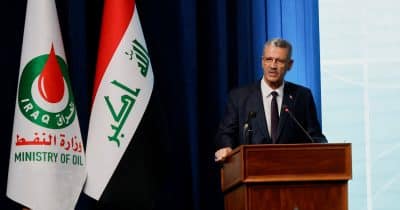
📰Iraq is maintaining its OPEC membership while simultaneously advocating for an increased crude oil production quota. This internal cartel tension reflects broader geopolitical and economic pressures that could influence global oil supply dynamics and cryptocurrency markets sensitive to energy costs.
GeneralNeutralCrypto Briefing · Jun 246/10
📰The Strait of Hormuz has reopened after a months-long closure, potentially easing global oil supply constraints. While this development may stabilize markets, geopolitical tensions and structural fragility remain concerns for energy prices and broader economic stability.
GeneralBullishCrypto Briefing · Jun 226/10
📰An anticipated surge in global oil supply is expected to alleviate current market tightness and moderate crude prices, reducing the probability of prices reaching record levels. This development has significant implications for energy market dynamics and could influence broader macroeconomic conditions that affect cryptocurrency and traditional asset valuations.
GeneralBullishBlockonomi · May 106/10
📰Saudi Aramco reported a 25% year-over-year surge in Q1 net profit to $32.5 billion, exceeding analyst expectations, driven by higher crude and refined product prices alongside increased volumes. The company's East-West Pipeline reaching full 7.0 million barrel-per-day capacity provided critical supply diversification during Strait of Hormuz shipping disruptions linked to regional conflict.
CryptoNeutralCoinDesk · Feb 286/1011
⛓️The crypto community is expressing concerns about potential Iranian disruption of oil supply through the Strait of Hormuz, which could negatively impact cryptocurrency markets. However, experts suggest these fears may be exaggerated, arguing that a complete closure of the strait would be unlikely or impractical for Iran to implement.