#energy-markets News & Analysis
Coverage of #energy-markets has been extensive in recent weeks, with 289 articles published in the last 30 days across the aggregator's sources. The sentiment around energy markets remains heavily bearish, with 66.1% of recent coverage reflecting pessimistic outlooks, while neutral perspectives account for 23.9% and bullish views represent just 10% of articles. This bearish tilt has remained essentially stable compared to the previous quarter.
Discussion of energy markets frequently intersects with geopolitical risk assessment, particularly coverage related to the Strait of Hormuz and Iran. Bitcoin and ethereum price movements appear in some energy-market conversations, though these represent a small portion of overall coverage. Scan the article list below to explore how recent energy developments are being reported across outlets including Crypto Briefing, Fortune Crypto, and Blockonomi.
sentiment · last 30d (289 articles)Top sources:Crypto Briefing · 254Fortune Crypto · 21Blockonomi · 8crypto.news · 8CoinTelegraph · 4
GeneralBearishCrypto Briefing · Jun 10🔥 8/10
📰US Central Command disabled an oil tanker in the Gulf of Oman for violating a blockade, escalating regional tensions that could disrupt global energy markets and trigger increased regulatory pressure on cryptocurrency and digital assets as geopolitical risks mount.
GeneralBearishCrypto Briefing · Jun 107/10
📰The UN's International Atomic Energy Agency (IAEA) has formally censured Iran for failing to provide adequate accounting of its uranium stockpile, raising geopolitical tensions and creating uncertainty in global markets. This development could trigger economic volatility and potentially impact energy markets, with downstream effects on risk assets including cryptocurrencies.
GeneralBearishCrypto Briefing · Jun 107/10
📰The UN's International Atomic Energy Agency has censured Iran for maintaining a near-bomb-grade uranium stockpile, escalating diplomatic tensions and threatening ongoing nuclear negotiations. The action signals deteriorating relations between Iran and the international community, complicating efforts to reach a timely resolution on Iran's nuclear program.
CryptoBearishCrypto Briefing · Jun 10🔥 8/10
⛓️Iran has issued an ultimatum to Gulf states demanding they expel US military forces or face infrastructure strikes, creating geopolitical tensions that could destabilize energy markets and increase demand for Bitcoin as a hedge against sanctions and currency controls. The threat elevates cryptocurrency's role in international finance during periods of regional conflict and economic uncertainty.
$BTC
GeneralBearishCrypto Briefing · Jun 107/10
📰The IAEA board voted 21 in favor of a resolution addressing Iran's nuclear program, reflecting escalating geopolitical tensions that could influence global energy markets and commodity prices, with downstream effects on cryptocurrency valuations tied to macroeconomic conditions.
GeneralNeutralBlockonomi · Jun 107/10
📰Crude oil prices stabilized near $91 per barrel as geopolitical tensions between the U.S. and Iran escalated militarily. Simultaneously, crude inventories fell 9.12 million barrels, significantly surpassing analyst forecasts and supporting price levels despite macroeconomic headwinds.
GeneralBearishCrypto Briefing · Jun 107/10
📰Kazakhstan has reduced its 2026 oil production forecast to 98 million tons due to pipeline disruptions and field operational challenges. This reduction threatens global oil supply stability and could elevate prices while complicating Kazakhstan's economic diversification strategy.
GeneralBearishCrypto Briefing · Jun 10🔥 8/10
📰The U.S. conducted military strikes against Iran following a helicopter incident, intensifying geopolitical tensions that threaten regional stability and leadership continuity in Iran. This escalation creates uncertainty for global markets, including cryptocurrency and traditional assets, as investors reassess geopolitical risk premiums.
GeneralBearishCrypto Briefing · Jun 10🔥 8/10
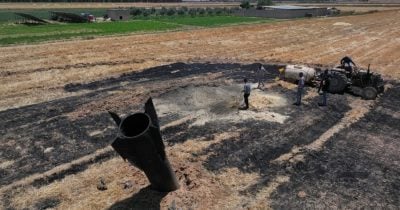
📰Iran launched 24 missiles into Israel, escalating Middle Eastern tensions and raising concerns about broader regional conflict. This geopolitical escalation typically triggers flight-to-safety dynamics in financial markets, including increased volatility in crypto and traditional assets.
GeneralBearishCrypto Briefing · Jun 10🔥 8/10
📰Jordan's military intercepted five missiles launched from Iran, escalating Middle East tensions and triggering market volatility across risk assets and energy sectors. The incident heightens geopolitical uncertainty with potential implications for global fiscal policy and cryptocurrency markets sensitive to macroeconomic shifts.
GeneralBearishCrypto Briefing · Jun 10🔥 8/10
📰The US has launched a second wave of military strikes targeting Iran's air defense systems as part of an ongoing air campaign. The strategic approach appears designed to degrade Iran's military capabilities while avoiding immediate regime destabilization.
GeneralBearishCrypto Briefing · Jun 10🔥 8/10
📰Iran's Revolutionary Guards claimed a missile strike on a US military base in Jordan, escalating tensions in the Gulf region. This geopolitical conflict threatens global energy supplies, inflation stability, and monetary policy frameworks that directly influence cryptocurrency and traditional financial markets.
GeneralBearishCrypto Briefing · Jun 107/10
📰Japan's corporate goods prices increased 6.3% in May, driven by geopolitical tensions in Iran that have destabilized energy markets. This inflationary pressure complicates Japan's monetary policy objectives and threatens to undermine economic recovery efforts.
GeneralBearishCrypto Briefing · Jun 10🔥 8/10
📰Iran has launched military attacks on US bases in the Gulf region, escalating geopolitical tensions and threatening regional stability. The escalation may disrupt diplomatic efforts and create uncertainty in global economic markets, including cryptocurrency and energy sectors.
GeneralBearishCrypto Briefing · Jun 10🔥 8/10
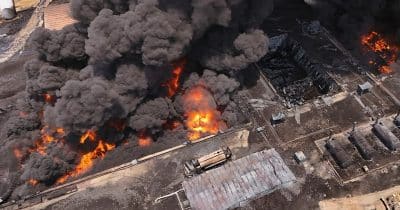
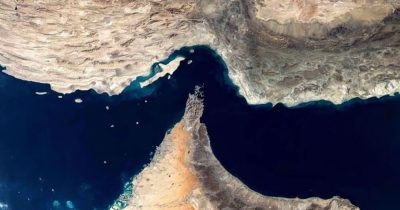
📰Explosions and air defense activations were reported near the Strait of Hormuz in southern Iran, signaling escalating regional tensions. This development threatens stability in a critical global energy corridor that handles significant oil and gas transit, with potential ripple effects on international energy markets and cryptocurrency volatility.
GeneralBearishCrypto Briefing · Jun 97/10
📰The US Energy Information Administration reports that oil inventories are declining toward multi-decade lows, a development that could intensify inflationary pressures and complicate monetary policy decisions. This supply constraint presents both risks through potential fuel shortages and opportunities for refiners operating in a tightened market.
GeneralBullishCrypto Briefing · Jun 97/10
📰US crude oil fell 3% to $88.20 per barrel following eased Middle East tensions, a development that could reduce inflationary pressures and benefit risk assets including cryptocurrencies and equities. Lower energy costs typically support broader market sentiment by decreasing production costs and consumer inflation concerns.
GeneralBearishCrypto Briefing · Jun 9🔥 8/10
📰The U.S. conducted self-defense military strikes against Iran following the downing of an Apache helicopter, raising concerns about escalating geopolitical tensions. The incident and subsequent response could destabilize regional security and influence broader U.S. foreign policy, with potential ripple effects across global markets.
GeneralNeutralCrypto Briefing · Jun 97/10
📰The Israeli Air Force postponed planned military strikes against Iran following a direct call from Donald Trump, underscoring the complex geopolitical dynamics shaping Middle Eastern stability. This intervention by Trump highlights shifting diplomatic pressures that could influence global market sentiment and cryptocurrency volatility tied to regional risk assessments.
GeneralBearishCrypto Briefing · Jun 97/10
📰Trump has stated he will not grant sanctions relief to Iran without a comprehensive peace agreement, maintaining a hardline position on nuclear negotiations. This stance risks prolonging regional tensions and reducing diplomatic opportunities, with potential implications for global stability and energy markets.
GeneralNeutralCrypto Briefing · Jun 97/10
📰China has released oil from its strategic petroleum reserve, confirmed by US Energy Secretary Wright. This move signals Beijing's response to global energy pressures and could influence crude prices, geopolitical tensions, and macroeconomic conditions affecting cryptocurrency and risk asset markets.
GeneralBearishCrypto Briefing · Jun 97/10
📰The Bank of France has raised its inflation forecast for 2026 amid geopolitical tensions in Iran that are reshaping global energy markets. The revised outlook signals potential economic slowdown and increased financial instability, with ripple effects across global investment strategies and cryptocurrency markets sensitive to macroeconomic conditions.
GeneralBearishCrypto Briefing · Jun 9🔥 8/10
📰The U.S. Energy Information Administration projects that shipping traffic through the Strait of Hormuz will not return to normal conditions until early 2027, signaling prolonged disruption in one of the world's most critical oil chokepoints. This extended timeline for normalization poses significant risks to global oil supplies and energy market stability.
GeneralNeutralCrypto Briefing · Jun 97/10
📰European nations are pushing for US approval of a European-led demining operation in the Strait of Hormuz at the G7 summit, positioning this as a way to reshape geopolitical alliances and accelerate economic recovery. The initiative's success depends on securing Trump administration backing, highlighting the continued centrality of US foreign policy in shaping international security and trade corridors.
GeneralBearishCoinDesk · Jun 97/10
📰BlackRock is monitoring Wednesday's May CPI data as a critical indicator of how U.S.-Iran geopolitical tensions are translating into energy price pressures and broader inflation acceleration. The investment giant's focus highlights growing concerns that escalating international tensions could disrupt energy markets and complicate the Federal Reserve's inflation management efforts.