#energy-markets News & Analysis
Coverage of #energy-markets has been extensive in recent weeks, with 289 articles published in the last 30 days across the aggregator's sources. The sentiment around energy markets remains heavily bearish, with 66.1% of recent coverage reflecting pessimistic outlooks, while neutral perspectives account for 23.9% and bullish views represent just 10% of articles. This bearish tilt has remained essentially stable compared to the previous quarter.
Discussion of energy markets frequently intersects with geopolitical risk assessment, particularly coverage related to the Strait of Hormuz and Iran. Bitcoin and ethereum price movements appear in some energy-market conversations, though these represent a small portion of overall coverage. Scan the article list below to explore how recent energy developments are being reported across outlets including Crypto Briefing, Fortune Crypto, and Blockonomi.
sentiment · last 30d (289 articles)Top sources:Crypto Briefing · 254Fortune Crypto · 21Blockonomi · 8crypto.news · 8CoinTelegraph · 4
GeneralBearishCrypto Briefing · May 27/10
📰An Israeli drone strike in Lebanon has triggered concerns about potential disruptions to Middle Eastern oil supply routes, with analysts watching WTI crude prices ahead of May 2026. Geopolitical escalation in the region could drive up energy costs and create ripple effects across global markets, including cryptocurrency and traditional finance.
GeneralNeutralCrypto Briefing · May 27/10
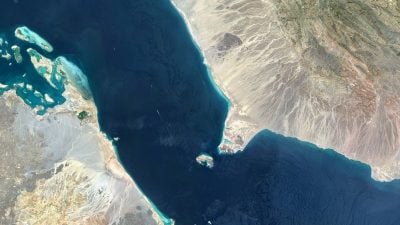
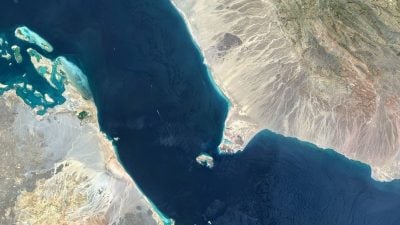
📰Iraq has established a new oil export route through Syria that bypasses the Strait of Hormuz, a critical chokepoint controlling roughly 20% of global oil supply. This geopolitical shift could reduce regional tensions and stabilize energy markets by diversifying export pathways away from the strategically vulnerable strait.
GeneralBearishCrypto Briefing · May 27/10
📰Iran's oil storage facilities are approaching maximum capacity due to US sanctions and blockades, forcing the country to consider production cuts. This supply constraint could tighten global oil markets and potentially increase crude prices, creating ripple effects across energy-dependent economies and commodity markets.
GeneralBearishCrypto Briefing · May 27/10
📰Senator Graham has called for potential U.S. military action if Iran resists in nuclear negotiations, a hardline stance that risks escalating geopolitical tensions. This development threatens to derail diplomatic efforts and could significantly impact global energy markets and cryptocurrency volatility.
GeneralBearishCrypto Briefing · May 27/10
📰Spirit Airlines has ceased operations amid escalating US-Iran-Israel tensions and volatile fuel costs, exposing how geopolitical crises and energy market instability threaten economic sectors dependent on stable operating costs. The shutdown underscores broader vulnerabilities in industries exposed to commodity price volatility and regional conflicts.
GeneralNeutralCrypto Briefing · May 27/10
📰The US is assembling a coalition to restore maritime navigation through the Strait of Hormuz by May 1st amid regional tensions. The initiative prioritizes diplomatic and economic solutions over military escalation, with potential to stabilize global oil markets and reduce geopolitical risk premiums affecting commodity prices.
GeneralNeutralCrypto Briefing · May 27/10
📰China is actively pushing for the continuation of a ceasefire between Iran and other regional parties amid stalled diplomatic negotiations. This diplomatic intervention reflects China's growing geopolitical influence and its strategic interest in stabilizing the Middle East, which has direct implications for global market stability and energy security.
GeneralBearishCrypto Briefing · May 17/10
📰Cuba's rejection of US sanctions threatens to destabilize global oil supply chains, with geopolitical tensions potentially driving WTI crude prices higher. The standoff raises concerns about energy market disruption and investor uncertainty across commodities and related markets.
GeneralBearishCrypto Briefing · May 17/10
📰Exxon's oil production has declined 6% due to disruptions in the Strait of Hormuz stemming from US-Iran tensions, highlighting how geopolitical conflicts directly impact global energy supply and inflation dynamics. This supply shock carries broader macroeconomic implications that could influence cryptocurrency and traditional asset valuations.
GeneralBearishCrypto Briefing · May 17/10
📰Iran faces a $5 billion loss in oil revenue due to a blockade amid intensifying US pressure, exacerbating regional instability and complicating diplomatic resolution efforts. The economic impact underscores broader geopolitical tensions affecting global energy markets and international relations.
GeneralBearishCrypto Briefing · May 17/10
📰Trump confirms ongoing diplomatic talks with Iran as tensions escalate around the Strait of Hormuz, a critical chokepoint for global energy supplies. The geopolitical friction threatens to destabilize energy markets and create broader economic uncertainty affecting asset valuations across multiple sectors including cryptocurrencies.
GeneralNeutralCrypto Briefing · May 17/10
📰Iran is escalating diplomatic engagement with the United States, signaling potential renewed bilateral negotiations. Such talks could reshape regional geopolitical dynamics and influence global market sentiment, particularly affecting energy prices and risk asset valuations.
GeneralBearishCrypto Briefing · May 1🔥 8/10
📰Exxon's CEO has warned that supply constraints in the Middle East could sustain higher WTI crude oil prices, with potential ripple effects across global markets and economic stability. This geopolitical concern directly impacts energy markets and, indirectly, broader macroeconomic conditions affecting risk asset valuations including cryptocurrencies.
GeneralBearishCrypto Briefing · May 17/10
📰Major oil companies reported significantly reduced profits despite a historic price surge driven by Iran-related geopolitical tensions, revealing structural vulnerabilities in how energy firms hedge against volatile market disruptions. This paradox underscores the complexity of translating commodity price gains into shareholder returns when operational and financial strategies misalign with unprecedented market conditions.
GeneralBearishCrypto Briefing · May 1🔥 8/10
📰Escalating US-Iran geopolitical tensions are expected to create volatility in crude oil markets, with WTI prices potentially rising through May 2026. This instability threatens broader economic conditions and commodity pricing, with potential ripple effects across global markets including cryptocurrency and traditional assets.
GeneralBearishCrypto Briefing · May 17/10
📰Indian Oil has raised prices for liquefied petroleum gas (LPG) and jet fuel in response to geopolitical tensions in West Asia, underscoring how regional conflicts create volatility in global energy markets and disrupt supply chains. These price increases reflect broader energy market vulnerability to geopolitical shocks and their cascading effects on fuel costs.
GeneralBearishCrypto Briefing · May 17/10
📰The UAE's withdrawal from OPEC represents a significant shift in global oil market dynamics, potentially weakening the cartel's collective bargaining power and stability. This move is expected to increase crude oil price volatility and create geopolitical tensions as supply concerns mount in the absence of unified OPEC coordination.
GeneralBearishDaily Hodl · May 1🔥 8/10
📰Goldman Sachs has raised its oil price forecast citing expectations of a massive decline in global oil supply this year due to Middle East tensions. The bank's commodities research co-head warns that geopolitical disruptions will constrain supply, though the exact price targets were not fully detailed in the available excerpt.
GeneralBearishCrypto Briefing · May 17/10
📰US Secretary of State Marco Rubio characterized the Strait of Hormuz as an 'economic nuclear weapon' during escalating US-Iran tensions, signaling heightened geopolitical risk that could disrupt global energy markets and cryptocurrency volatility.
GeneralBearishCrypto Briefing · May 17/10
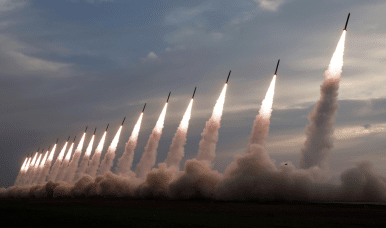
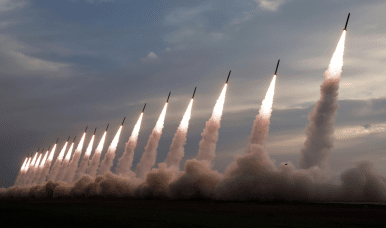
📰Iran is accelerating missile recovery efforts amid an unstable ceasefire with the US and Israel, raising concerns about regional destabilization and potential renewed military conflict. This escalation threatens broader geopolitical stability in a region critical to global energy markets and cryptocurrency trading hubs.
GeneralBearishCrypto Briefing · May 17/10
📰California Governor Newsom attributes elevated gas prices to policy incompetence while US-Iran geopolitical tensions threaten to exacerbate energy costs. Rising fuel prices and international friction could sustain inflationary pressures, prompting central banks toward restrictive monetary policies that typically pressure risk assets including cryptocurrencies.
GeneralBullishCrypto Briefing · May 17/10
📰The U.S. has withdrawn an aircraft carrier from the Middle East, signaling a potential shift toward diplomatic engagement with Iran and reduced military posturing in the region. This move could stabilize geopolitical tensions and influence global market sentiment, particularly affecting risk assets and energy prices.
GeneralBearishCrypto Briefing · May 17/10
📰Brent crude futures surged to $111.4 per barrel amid escalating Iran-related geopolitical tensions, signaling potential supply disruptions in global oil markets. This price movement reflects broader concerns about how regional conflicts could trigger sustained volatility in energy prices, with downstream effects on economic stability and inflation.
GeneralBearishCrypto Briefing · May 17/10
📰The European Central Bank maintained interest rates unchanged despite escalating geopolitical tensions between Iran and other regional powers, with analysts warning that elevated oil prices could reach $150 per barrel by May. This decision reflects the ECB's cautious stance on stagflation risks, as military conflicts threaten to simultaneously constrain Eurozone economic growth while pushing inflation higher through energy costs.
GeneralBullishCrypto Briefing · Apr 307/10
📰The US and Iran have extended their ceasefire indefinitely, halting previous war authorization countdowns and reducing immediate conflict risks in the region. This development may stabilize geopolitical tensions and shift regional power dynamics, with potential implications for global markets including energy prices and risk sentiment.