#energy-markets News & Analysis
Coverage of #energy-markets has been extensive in recent weeks, with 289 articles published in the last 30 days across the aggregator's sources. The sentiment around energy markets remains heavily bearish, with 66.1% of recent coverage reflecting pessimistic outlooks, while neutral perspectives account for 23.9% and bullish views represent just 10% of articles. This bearish tilt has remained essentially stable compared to the previous quarter.
Discussion of energy markets frequently intersects with geopolitical risk assessment, particularly coverage related to the Strait of Hormuz and Iran. Bitcoin and ethereum price movements appear in some energy-market conversations, though these represent a small portion of overall coverage. Scan the article list below to explore how recent energy developments are being reported across outlets including Crypto Briefing, Fortune Crypto, and Blockonomi.
sentiment · last 30d (289 articles)Top sources:Crypto Briefing · 254Fortune Crypto · 21Blockonomi · 8crypto.news · 8CoinTelegraph · 4
GeneralBearishCrypto Briefing · May 87/10
📰Iran has refused to make concessions on its uranium enrichment program despite ongoing US pressure, as nuclear negotiations remain stalled. This defiance escalates geopolitical tensions and raises concerns about global nuclear stability, with potential ripple effects across international markets and energy sectors.
GeneralNeutralCrypto Briefing · May 87/10
📰Geopolitical tensions involving Iran are driving increased profitability for energy, banking, and defense sector firms, reflecting how regional conflicts create winners and losers across different industries. This dynamic underscores the relationship between geopolitical instability and market behavior, with broader implications for global economic stability and peace prospects.
GeneralBearishCrypto Briefing · May 47/10
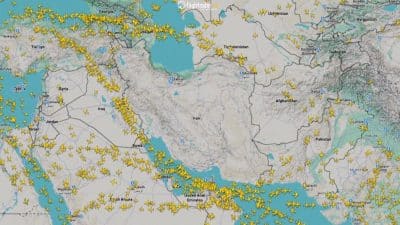
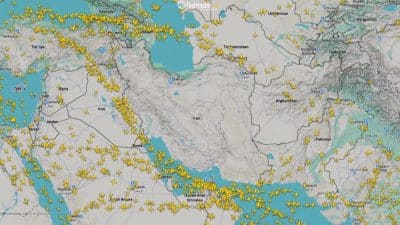
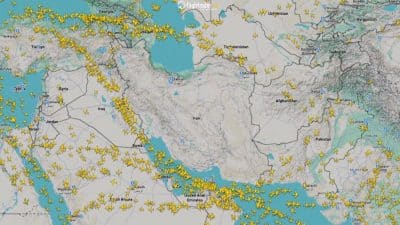
📰Escalating geopolitical tensions in Iran risk closing its airspace, potentially disrupting global aviation routes and energy markets. Such closure would increase travel costs, redirect shipping lanes, and create volatility in oil prices, with ripple effects across cryptocurrency and broader financial markets.
GeneralBullishCrypto Briefing · May 47/10
📰Treasury Secretary Bessent characterizes the gas price surge resulting from Iran conflict tensions as temporary, signaling expectations for short-term inflation relief. This assessment influences Federal Reserve rate-cut decisions and suggests geopolitical oil price volatility may not drive sustained long-term energy cost increases.
GeneralBearishCrypto Briefing · May 47/10
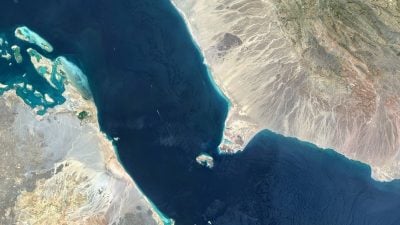
📰Geopolitical tensions in the Strait of Hormuz, potentially linked to Trump's 'Project Freedom' initiative, are driving oil prices higher and creating conditions for prolonged global trade disruptions. These tensions present significant macroeconomic headwinds that could increase market volatility across asset classes, including cryptocurrencies.
GeneralBearishCrypto Briefing · May 47/10
📰Iran has published a new map asserting territorial control over the Strait of Hormuz, escalating geopolitical tensions in a critical global shipping corridor. This move reduces prospects for near-term shipping normalization and undermines market confidence in regional stability.
GeneralBearishCrypto Briefing · May 47/10
📰Escalating geopolitical tensions with Iran have driven oil prices to four-year highs, creating inflationary pressure that threatens U.S. economic stability and complicates President Trump's policy agenda. Sustained elevated energy costs could influence broader macroeconomic decisions and consumer sentiment during his administration.
GeneralBearishCrypto Briefing · May 47/10
📰The United Arab Emirates' withdrawal from OPEC threatens the cartel's unity and production coordination, potentially driving sustained elevated crude oil prices. The exit compounds existing market pressures from geopolitical tensions and supply disruptions, with implications for energy-dependent sectors and macroeconomic conditions affecting cryptocurrency markets.
GeneralNeutralCrypto Briefing · May 47/10
📰The US returned the seized Iranian ship Touska, signaling a potential shift in US-Iran maritime relations. However, the ongoing blockade of the Strait of Hormuz reflects enduring geopolitical tensions that could impact global trade and energy markets.
AIBullishCrypto Briefing · May 47/10
🧠The US Navy has deployed AI-enhanced mine detection technology in the Strait of Hormuz to improve maritime safety and expedite commercial shipping traffic. This development could reduce Iran's ability to leverage chokepoint control as a geopolitical tool, potentially stabilizing global oil trade and reducing energy market volatility.
GeneralNeutralCrypto Briefing · May 37/10
📰The White House is considering increased U.S. oil production in response to Iran tensions, with potential to stabilize global energy markets. Higher domestic oil output could moderate inflation pressures and influence Federal Reserve monetary policy decisions going forward.
GeneralBearishCrypto Briefing · May 37/10
📰A bulk carrier vessel was attacked near the Strait of Hormuz, a critical maritime chokepoint controlling global oil and liquefied natural gas flows. The incident heightens geopolitical tensions and undermines efforts to stabilize regional shipping routes, with potential ripple effects across energy markets and broader economic stability.
GeneralBearishCrypto Briefing · May 37/10
📰President Trump has ordered the US Navy to escort commercial vessels through the Strait of Hormuz, a critical chokepoint for global oil shipments. While the measure aims to secure shipping routes and stabilize energy markets, it risks prolonging geopolitical tensions that could create market volatility and undermine diplomatic resolutions.
GeneralBearishFortune Crypto · May 37/10
📰A cargo ship near the Strait of Hormuz was attacked by multiple small boats amid ongoing U.S.-Iran diplomatic negotiations. Tehran is reviewing a U.S. response to its peace proposal regarding an unspecified conflict, though officials clarified these discussions are separate from nuclear negotiations.
GeneralNeutralCrypto Briefing · May 37/10
📰The US maintains a legal blockade of the Strait of Hormuz as a strategic pressure tactic against Iran, reducing immediate war declaration risks while sustaining long-term tensions. This approach signals a preference for controlled escalation over direct military confrontation, with significant implications for global energy markets and geopolitical stability.
GeneralBullishCrypto Briefing · May 37/10
📰US Treasury Secretary anticipates oil prices will decline following resolution of an unspecified geopolitical conflict. The statement reflects expectations that conflict resolution would stabilize global energy markets, reduce supply-side risks, and ease broader economic pressures tied to elevated oil costs.
GeneralBullishCrypto Briefing · May 37/10
📰Iran has proposed a comprehensive peace plan aimed at ending regional conflict within 30 days. The initiative could reduce geopolitical tensions, lower regime instability risks, and potentially shift market sentiment regarding Iran's political leadership and Middle East stability.
GeneralNeutralCrypto Briefing · May 37/10
📰Oman is mediating diplomatic talks between the US and Iran, potentially reducing regional tensions and creating pathways for sustained dialogue. This mediation effort could stabilize Middle Eastern geopolitical dynamics, which have significant implications for global energy markets and investor sentiment toward risk assets.
GeneralNeutralCrypto Briefing · May 37/10
📰OPEC+ has increased oil production amid escalating geopolitical tensions between the US, Israel, and Iran. While the production boost aims to stabilize oil prices, regional conflicts remain a significant risk factor that could trigger market volatility.
GeneralBearishCrypto Briefing · May 37/10
📰Diplomatic efforts to resolve the Russia-Ukraine conflict show signs of stalling, with a ceasefire by June 2026 appearing increasingly unlikely. Prolonged conflict threatens regional stability and could further disrupt global economic conditions, including energy markets and commodity prices that influence cryptocurrency volatility.
GeneralBearishCrypto Briefing · May 37/10
📰Former President Trump has issued warnings about potential military strikes against Iran, escalating geopolitical tensions in the Middle East. Such military rhetoric risks destabilizing regional peace and could disrupt global energy markets, with ripple effects across cryptocurrency and traditional financial markets.
GeneralBearishCrypto Briefing · May 27/10
📰The US has appointed Nick Stewart, known for his hawkish foreign policy stance, to its Iran negotiating team. This move signals a shift toward a more confrontational diplomatic approach, which could reduce prospects for negotiated settlements and increase geopolitical tensions affecting global markets.
GeneralNeutralCrypto Briefing · May 27/10
📰Iran's oil production strategy could prevent WTI crude from exceeding $150 per barrel in May 2026 by increasing global supply and challenging U.S. market dominance. The geopolitical shift in oil markets has implications for energy prices, cryptocurrency volatility, and broader macroeconomic stability.
GeneralNeutralCrypto Briefing · May 27/10
📰OPEC+ has increased oil output quotas despite geopolitical tensions including potential Strait of Hormuz closure, a critical chokepoint for global energy supply. The move aims to stabilize prices while managing supply chain risks, though market volatility is expected to persist.
GeneralBearishCrypto Briefing · May 27/10
📰The US has redirected 48 vessels to enforce a blockade in the Strait of Hormuz, a critical chokepoint for global energy supplies. This military escalation reflects intensifying geopolitical tensions in the Middle East and carries significant implications for market stability and cryptocurrency volatility.