#energy-markets News & Analysis
Coverage of #energy-markets has been extensive in recent weeks, with 289 articles published in the last 30 days across the aggregator's sources. The sentiment around energy markets remains heavily bearish, with 66.1% of recent coverage reflecting pessimistic outlooks, while neutral perspectives account for 23.9% and bullish views represent just 10% of articles. This bearish tilt has remained essentially stable compared to the previous quarter.
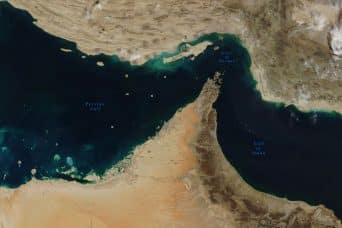
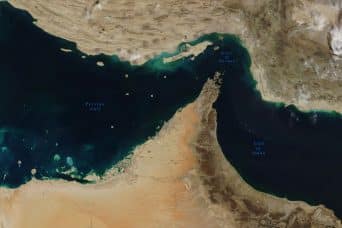
Discussion of energy markets frequently intersects with geopolitical risk assessment, particularly coverage related to the Strait of Hormuz and Iran. Bitcoin and ethereum price movements appear in some energy-market conversations, though these represent a small portion of overall coverage. Scan the article list below to explore how recent energy developments are being reported across outlets including Crypto Briefing, Fortune Crypto, and Blockonomi.
sentiment · last 30d (289 articles)Top sources:Crypto Briefing · 254Fortune Crypto · 21Blockonomi · 8crypto.news · 8CoinTelegraph · 4
GeneralBearishCrypto Briefing · Apr 207/10
📰Iran is asserting legal claims over the Strait of Hormuz, escalating geopolitical tensions amid concerns over UK military presence. This strategic chokepoint through which global energy supplies flow could face disruption, potentially impacting commodity markets and cryptocurrency volatility linked to energy prices and macroeconomic uncertainty.
GeneralBullishCrypto Briefing · Apr 207/10
📰An oil tanker has exited the Strait of Hormuz as tensions between the US, Iran, and Israel show signs of de-escalation. The easing of geopolitical friction could stabilize oil prices and improve maritime traffic flow through this critical chokepoint, though underlying volatility risks remain.
GeneralBearishCrypto Briefing · Apr 207/10
📰Escalating tensions between Iran and the US over peace negotiations have significantly diminished diplomatic prospects, with deepening mutual distrust threatening regional stability and broader geopolitical equilibrium. The deterioration in diplomatic relations carries implications for global markets, including cryptocurrency volatility driven by geopolitical risk premiums.
GeneralBearishCrypto Briefing · Apr 207/10
📰Qatar confronts economic pressures stemming from regional geopolitical tensions, including the Iran-related ceasefire and evolving energy market dynamics. The situation underscores the vulnerabilities of economies heavily dependent on energy exports, highlighting the urgent need for economic diversification strategies.
GeneralBearishCrypto Briefing · Apr 207/10
📰Iran has called for the lifting of a blockade in the Strait of Hormuz while the Trump administration engages diplomatically following a call with Pakistan. The situation underscores rising geopolitical tensions in a critical global trade chokepoint, with potential implications for energy markets and broader economic stability.
GeneralBearishCrypto Briefing · Apr 207/10
📰A trader has closed a short position on Solana and pivoted to a long position in crude oil amid escalating US-Iran tensions. The geopolitical escalation is driving market rotation as traders anticipate potential supply disruptions in energy markets, reflecting broader risk-on sentiment shifts across asset classes.
$SOL
GeneralBearishCrypto Briefing · Apr 207/10
📰Iran has denied plans to reopen the Strait of Hormuz amid escalating geopolitical tensions, perpetuating an impasse that undermines market confidence and delays potential diplomatic resolutions. The continued instability in this critical shipping chokepoint creates uncertainty for global energy markets and cryptocurrency volatility.
GeneralBearishCrypto Briefing · Apr 207/10
📰Netanyahu signals ongoing US-Iran diplomatic negotiations while regional tensions continue escalating, raising concerns about potential conflict that could disrupt global markets and geopolitical stability. The situation carries significant implications for energy markets, investor sentiment, and broader macroeconomic conditions affecting cryptocurrency and traditional financial assets.
GeneralBearishCrypto Briefing · Apr 207/10
📰Oil prices surged 5% as US-Iran tensions escalated and ceasefire negotiations collapsed, creating geopolitical uncertainty. This development poses risks for global energy supply chain stability and could amplify market volatility across multiple asset classes.
GeneralBullishCrypto Briefing · Apr 207/10
📰Oil prices have declined amid improving US-Iran diplomatic prospects, reducing concerns about potential crude supply disruptions. Sustained geopolitical stability could help ease global economic pressures and stabilize energy markets.
GeneralNeutralCrypto Briefing · Apr 207/10
📰Tehran's public rallies demonstrate sustained internal support for the Iranian regime, reducing prospects for imminent leadership change. This geopolitical stability affects broader regional tensions with the US and Israel, creating market uncertainty that ripples through commodity and cryptocurrency valuations sensitive to Middle Eastern conflict risk.
GeneralBearishCrypto Briefing · Apr 207/10
📰The U.S. maintains a naval blockade of Iran with military escalation unlikely before April 2026, reflecting prolonged geopolitical tension. This sustained military posture affects regional stability and has potential implications for global energy markets and cryptocurrency volatility tied to macroeconomic uncertainty.
GeneralBearishCrypto Briefing · Apr 197/10
📰Attacks on vessels in the Strait of Hormuz have intensified geopolitical tensions in a critical global energy chokepoint. The disruptions threaten oil and gas supply stability, potentially triggering volatile energy markets with cascading effects on global economies and cryptocurrency valuations tied to macroeconomic conditions.
GeneralNeutralCrypto Briefing · Apr 197/10
📰Iran has reopened the Strait of Hormuz amid ongoing geopolitical tensions, but market participants remain skeptical that crude oil (WTI) will reach $160 per barrel in April. The uncertainty reflects broader concerns about geopolitical stability and oil price volatility that continue to influence global economic outlooks.
GeneralBearishCrypto Briefing · Apr 197/10
📰US military action against a Chinese-affiliated ship has prompted Iran to vow a response, escalating geopolitical tensions in a strategically critical region. The incident reduces near-term diplomatic prospects and introduces uncertainty into global markets, with potential for further military escalation affecting energy prices, supply chains, and risk asset valuations.
GeneralBearishCrypto Briefing · Apr 197/10
📰Iran is advancing legislation to increase control over the Strait of Hormuz, a critical global shipping chokepoint through which approximately 21% of world petroleum passes. This geopolitical development threatens to disrupt international maritime trade and could trigger broader economic instability affecting global markets, including cryptocurrency and digital assets.
GeneralBearishCrypto Briefing · Apr 19🔥 8/10
📰Iran denies facing international pressure regarding a potential Strait of Hormuz blockade, while market odds for resolving the blockade have declined sharply. The geopolitical impasse reflects persistent tensions and reduced confidence in near-term diplomatic resolution.
GeneralBearishCrypto Briefing · Apr 197/10
📰The UK has escalated the threat level for the Strait of Hormuz to critical status due to emerging security risks, raising concerns about potential maritime trade disruptions and military escalation in one of the world's most strategically important shipping corridors.
GeneralNeutralCrypto Briefing · Apr 197/10
📰US Energy Secretary Wright reports progress in talks with Iran regarding the Strait of Hormuz, potentially easing geopolitical tensions that have historically impacted global energy markets. While negotiations could reduce military risks and stabilize oil prices, significant skepticism persists about the durability of any agreement.
GeneralBearishCrypto Briefing · Apr 197/10
📰The UK has increased military and diplomatic support for its Gulf allies, potentially escalating regional tensions with Iran. This geopolitical shift raises concerns about possible military confrontation and could influence global energy markets and cryptocurrency volatility through increased macro uncertainty.
GeneralBearishCrypto Briefing · Apr 197/10
📰The US has deployed autonomous sea drones in the Strait of Hormuz to counter mine threats, a strategic response to escalating geopolitical tensions in a critical global trade chokepoint. This deployment underscores rising instability in one of the world's most important shipping lanes, with potential implications for energy prices, supply chain disruptions, and broader market volatility.
$XRP
GeneralBearishCrypto Briefing · Apr 19🔥 8/10
📰Rising Israeli-Iranian tensions have prompted Yemen's Houthis to increase military readiness, creating regional instability that threatens global markets and diplomatic channels. Heightened geopolitical risk in the Middle East could trigger volatility across commodities, energy prices, and cryptocurrency markets sensitive to macro uncertainty.
GeneralBearishCrypto Briefing · Apr 197/10
📰Iran's military and government have issued contradictory statements regarding closure of the Strait of Hormuz, with military actions conflicting with the foreign minister's claims of openness. This geopolitical contradiction undermines diplomatic credibility and heightens regional tensions, creating market uncertainty.
GeneralBearishCrypto Briefing · Apr 197/10
📰The US Navy is increasing military deployments in the Strait of Hormuz amid escalating geopolitical tensions in the region. This strategic military buildup in one of the world's most critical maritime chokepoints threatens to disrupt global trade flows and introduce volatility into financial markets, including cryptocurrency markets sensitive to macroeconomic uncertainty.
GeneralBearishCrypto Briefing · Apr 197/10
📰Iran ordered an Indian ship to halt in the Strait of Hormuz, escalating geopolitical tensions in a critical global shipping corridor. This action threatens to disrupt international trade routes and energy markets, with potential ripple effects across commodities and financial markets.