#geopolitics News & Analysis
Coverage tagged #geopolitics has grown substantially, with 789 articles published in the last 30 days across a total index of 913. Sentiment remains predominantly bearish at 57.7%, with neutral coverage at 28.4% and bullish perspectives comprising 13.9% of recent reporting. Sentiment stability has held steady over the past month, showing a delta of just -0.4 percentage points compared to the prior 90-day period.
The tag frequently intersects with coverage of #iran, #middle-east, #market-volatility, and #sanctions, while Bitcoin and Ethereum feature prominently in related discussions. Crypto Briefing leads source volume with 694 articles, followed by Fortune Crypto and Blockonomi. Explore the articles below for detailed reporting on current developments.
sentiment · last 30d (789 articles)Top sources:Crypto Briefing · 694Fortune Crypto · 74Blockonomi · 29crypto.news · 22CoinDesk · 19
Most-discussed entities:Nvidia · 10Anthropic · 7OpenAI · 3Claude · 1GPT-5 · 1
GeneralBearishFortune Crypto · Apr 19🔥 8/10
📰Naval tensions in the Strait of Hormuz escalated as a Navy destroyer fired on a vessel attempting to evade a blockade, marking the first ship seizure in an enforcement operation. This geopolitical crisis threatens global energy supplies and shipping routes critical to cryptocurrency and broader financial markets.
GeneralBearishCrypto Briefing · Apr 19🔥 8/10
📰The USS Gerald R. Ford carrier strike group has deployed to the Red Sea as part of the largest US military buildup since 2003, signaling escalating geopolitical tensions in the region. This deployment carries significant implications for global oil markets and could influence cryptocurrency volatility through broader macroeconomic impacts.
GeneralBearishCrypto Briefing · Apr 19🔥 8/10
📰Iran has claimed control of the Strait of Hormuz amid reported US military retreats, while diplomatic negotiations between the two nations remain stalled. This escalation threatens global oil supply chains and regional stability, with potential ripple effects on energy prices and broader economic markets.
GeneralBearishCrypto Briefing · Apr 19🔥 8/10
📰US Energy Secretary confirms continued US-Israel military pressure on Iran, a development that threatens to undermine diplomatic negotiations and escalate regional tensions. This geopolitical escalation introduces significant uncertainty into global markets, including cryptocurrency volatility linked to energy prices and risk assets.
GeneralBearishCrypto Briefing · Apr 19🔥 8/10
📰The IDF has established a forward defense line in southern Lebanon, signaling an escalation and prolongation of military operations that defies market expectations of quick resolution. This geopolitical development introduces regional instability risks that could ripple through global markets, including cryptocurrency and risk assets.
GeneralBearishCrypto Briefing · Apr 19🔥 8/10
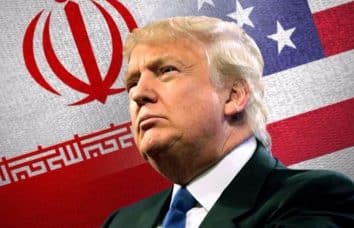
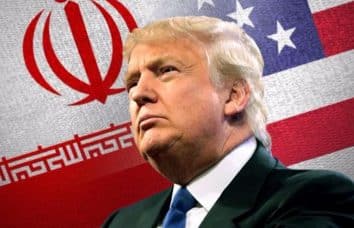
📰President Trump announced new US-Iran diplomatic talks while simultaneously threatening infrastructure strikes, creating conflicting signals that increase geopolitical uncertainty and market volatility. The mixed messaging undermines confidence in peaceful resolution and amplifies risk sentiment across financial markets, including cryptocurrency.
GeneralBearishCrypto Briefing · Apr 19🔥 8/10
📰Trump has pledged retaliation following Iran's downing of a US F-15 jet, escalating geopolitical tensions between the two nations. This military confrontation and threat of further action create uncertainty in global markets, as investors reassess risk exposure to oil, equities, and safe-haven assets.
CryptoBullishBitcoinist · Apr 197/10
⛓️Bitcoin surged above $75,000 following easing Middle East tensions, including a 10-day Israel-Lebanon ceasefire and Iran's reopening of the Strait of Hormuz to commercial shipping. These geopolitical developments reduced oil prices and risk premiums, driving capital inflows into cryptocurrency markets and raising questions about whether BTC can sustain momentum toward $100,000.
$BTC
GeneralBearishCrypto Briefing · Apr 19🔥 8/10
📰Iran has closed the Strait of Hormuz amid stalled US peace negotiations, escalating geopolitical tensions and creating significant disruptions to global oil supply chains. This action heightens market volatility and complicates diplomatic efforts to resolve ongoing regional conflicts.
CryptoNeutralCrypto Briefing · Apr 19🔥 8/10
⛓️Iran has begun accepting Bitcoin for oil transit tolls through the Strait of Hormuz, signaling an attempt to circumvent traditional financial sanctions and Western payment systems. This development highlights cryptocurrency's growing role in geopolitical maneuvering while raising questions about market stability as stablecoins increasingly dominate such transactions.
$BTC
GeneralBearishCrypto Briefing · Apr 19🔥 8/10
📰The Trump administration missed a deadline regarding the Strait of Hormuz closure while discussions with Iran remain unconfirmed, creating sustained geopolitical uncertainty. This escalating tension between the US and Iran threatens critical global oil supply routes, amplifying market volatility and risk premiums across traditional and cryptocurrency markets.
GeneralBearishCrypto Briefing · Apr 19🔥 8/10
📰The U.S. is moving to seize Iranian crude tankers and deploy missile systems to Jordan, escalating military tensions in the Middle East. These actions signal reduced diplomatic prospects and increased risks of armed conflict, which could destabilize global energy markets and affect broader macroeconomic conditions affecting crypto assets.
GeneralBearishCrypto Briefing · Apr 18🔥 8/10
📰Iran has rejected EU calls to maintain open passage through the Strait of Hormuz, a critical global shipping chokepoint responsible for roughly 20-30% of world oil transit. This escalation risks destabilizing crude oil markets and triggering significant price volatility that could ripple through cryptocurrency and broader financial markets.
GeneralBearishCrypto Briefing · Apr 18🔥 8/10
📰Iran has threatened military action against US minesweepers operating in the Strait of Hormuz, escalating geopolitical tensions in a critical global chokepoint. The confrontation risks disrupting oil markets and undermining diplomatic negotiations between the US and Iran, with potential ripple effects on energy prices and broader macroeconomic stability.
GeneralBearishCrypto Briefing · Apr 18🔥 8/10
📰Iran has closed the Strait of Hormuz while diplomatic talks between the US and Iran remain stalled, escalating geopolitical tensions. The closure impacts global oil markets and energy prices, which indirectly affects cryptocurrency volatility and investor risk sentiment.
GeneralBearishCrypto Briefing · Apr 18🔥 8/10
📰Escalating tensions in the Strait of Hormuz, where Iran's IRGC has issued warnings to vessels, pose a significant threat to global shipping routes and energy markets. Such geopolitical disruptions could impact commodity prices, energy costs, and broader macroeconomic conditions that influence cryptocurrency and traditional asset valuations.
GeneralBearishCrypto Briefing · Apr 18🔥 8/10
📰Iran has closed the Strait of Hormuz in a strategic escalation against the United States, heightening geopolitical tensions and creating significant uncertainty in global oil markets. This action complicates ongoing diplomatic efforts between the two nations and poses risks to energy security worldwide.
GeneralBearishCrypto Briefing · Apr 18🔥 8/10
📰Israel is preparing for potential military action against Iran amid escalating regional tensions, raising concerns about geopolitical instability and its ripple effects on global markets. Such conflict could trigger significant market volatility and disrupt energy markets, with implications for cryptocurrency and broader financial assets.
GeneralBearishCrypto Briefing · Apr 18🔥 8/10
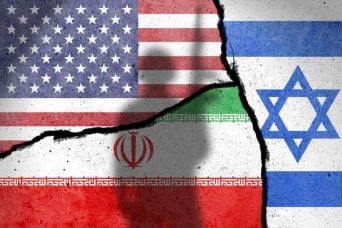
📰The US and Israel have announced strategic successes against Iran's nuclear and missile programs, triggering increased market volatility in global markets. This geopolitical escalation raises concerns about regional stability and potential for further military confrontation, with ripple effects across asset classes including cryptocurrencies.
GeneralBearishCrypto Briefing · Apr 18🔥 8/10
📰Israeli artillery fire in southern Lebanon has tested the fragility of a recently established ceasefire agreement between the two nations. The incident underscores ongoing tensions and the difficulty of maintaining peace in a volatile region, with potential implications for broader geopolitical stability in the Middle East.
GeneralBearishCrypto Briefing · Apr 18🔥 8/10
📰Ukrainian drone strikes are costing Russia approximately $100 million daily in lost oil revenue through disruptions to energy exports. These supply disruptions could tighten global oil markets and potentially drive crude prices higher by June, with cascading effects on energy-dependent economies and commodity markets.
GeneralBearishCrypto Briefing · Apr 18🔥 8/10
📰Netanyahu's escalating military operations are straining US-Israel diplomatic relations and undermining ceasefire negotiations, with potential consequences for regional stability and international alliances. The Israeli leadership's actions risk prolonging the conflict rather than resolving it through diplomatic channels.
GeneralBearishCrypto Briefing · Apr 18🔥 8/10
📰Iranian gunboats attacked a tanker in the Strait of Hormuz, signaling potential fragility in regional ceasefire agreements and raising concerns about global oil market stability. This incident underscores escalating geopolitical tensions in a critical energy chokepoint that directly influences cryptocurrency and traditional commodity markets.
GeneralBearishCrypto Briefing · Apr 18🔥 8/10
📰Iran has re-closed the Strait of Hormuz, a critical chokepoint for global oil transit, escalating geopolitical tensions and raising the risk of military confrontation. The closure threatens to disrupt energy markets and global trade, with potential ripple effects across commodity prices and macroeconomic stability.
GeneralBearishCrypto Briefing · Apr 18🔥 8/10
📰IDF operations against saboteurs in south Lebanon highlight fragility of the regional ceasefire, raising questions about its sustainability. Market confidence remains elevated but remains vulnerable to rapid sentiment reversals driven by geopolitical escalation.