#sanctions News & Analysis
Over the past month, #sanctions has been a dominant theme across crypto news coverage, with 355 articles published in the last 30 days out of 444 total indexed pieces. The overwhelming majority of coverage—76.3 percent—carries bearish sentiment, reflecting concerns about regulatory pressure and geopolitical restrictions on cryptocurrency activity. This negative tone has remained largely stable compared to the previous quarter.
Discussion of #sanctions frequently intersects with geopolitical topics, particularly regarding Iran and broader Middle East developments. Major cryptocurrencies including Bitcoin and Ethereum feature prominently in sanctions-related reporting. Crypto Briefing has been the primary source covering these developments. Explore the articles below to understand how sanctions are shaping the current crypto landscape.
sentiment · last 30d (355 articles)Top sources:Crypto Briefing · 317Fortune Crypto · 34crypto.news · 12NewsBTC · 12CoinTelegraph · 10
Most-discussed entities:Nvidia · 2ChatGPT · 1
GeneralNeutralCrypto Briefing · Apr 197/10
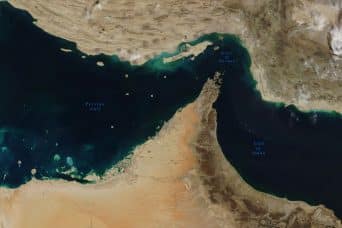
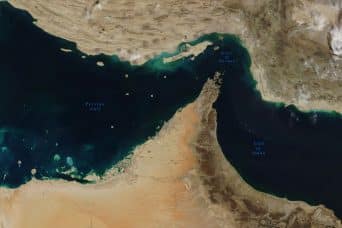
📰US Energy Secretary Wright reports progress in talks with Iran regarding the Strait of Hormuz, potentially easing geopolitical tensions that have historically impacted global energy markets. While negotiations could reduce military risks and stabilize oil prices, significant skepticism persists about the durability of any agreement.
GeneralBearishCrypto Briefing · Apr 197/10
📰Public disagreement between Trump and National Security Advisor Waltz over JD Vance's involvement in Iran negotiations has exposed internal U.S. policy divisions, undermining diplomatic credibility and triggering market uncertainty as geopolitical tensions escalate around critical talks.
GeneralBearishCrypto Briefing · Apr 197/10
📰Iran has mocked an EU diplomat's call to reopen the Strait of Hormuz, intensifying geopolitical tensions that threaten to disrupt one of the world's most critical shipping routes. The escalating standoff risks prolonging global logistical challenges and could significantly impact trade flows and cryptocurrency market stability.
GeneralBearishCrypto Briefing · Apr 197/10
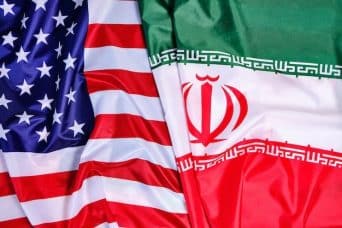
📰Iran's unwavering anti-Israel position is reducing the likelihood of direct US-Iran diplomatic negotiations by June 2026, according to geopolitical analysts. The entrenched stance signals that nuclear talks and sanctions relief remain distant prospects, potentially prolonging Middle Eastern tensions and regional economic uncertainty.
GeneralBearishCrypto Briefing · Apr 197/10
📰Iran's president has reaffirmed the country's nuclear rights, creating diplomatic obstacles for an April enrichment deal and escalating geopolitical tensions. This stance threatens nuclear negotiations and could trigger broader market volatility across commodities, equities, and cryptocurrencies sensitive to geopolitical risk.
GeneralBearishCrypto Briefing · Apr 197/10
📰Iran's military and government have issued contradictory statements regarding closure of the Strait of Hormuz, with military actions conflicting with the foreign minister's claims of openness. This geopolitical contradiction undermines diplomatic credibility and heightens regional tensions, creating market uncertainty.
GeneralBearishCrypto Briefing · Apr 197/10
📰Iran has implemented a policy prioritizing ships that pay security fees while transiting the Strait of Hormuz, a critical chokepoint for global oil commerce. This move threatens to disrupt international shipping, increase maritime costs, and escalate geopolitical tensions in one of the world's most strategically important waterways.
GeneralBearishCrypto Briefing · Apr 197/10
📰US-Iran peace talks have collapsed with both sides citing major differences, escalating geopolitical tensions and reducing near-term prospects for diplomatic resolution. This development dampens market optimism and threatens investor confidence across global assets, including cryptocurrency markets sensitive to geopolitical risk.
GeneralBearishCrypto Briefing · Apr 187/10
📰Iran's unpredictable behavior regarding the Strait of Hormuz is eroding international confidence in its diplomatic reliability, creating uncertainty that threatens global market stability and complicates ongoing negotiations. This geopolitical tension carries implications for energy markets, sanctions regimes, and broader macroeconomic conditions that influence cryptocurrency volatility.
GeneralBearishCrypto Briefing · Apr 187/10
📰Hezbollah claims Iran's threat to close the Strait of Hormuz influenced a US-Israel ceasefire agreement in Lebanon, highlighting Iran's regional leverage. The ceasefire demonstrates Iran's strategic power but remains limited in scope, with no broader diplomatic thaw between Washington and Tehran on the horizon.
GeneralBearishFortune Crypto · Apr 187/10
📰Russian President Putin acknowledged economic contraction of 1.8% combined in January and February, with declines across manufacturing, industrial production, and construction sectors. This public admission reflects mounting pressure from cumulative financial crisis warnings and signals deepening structural challenges in Russia's economy.
GeneralBearishCrypto Briefing · Apr 187/10
📰Iran claims control over the Strait of Hormuz and accuses European nations of diplomatic hypocrisy, escalating geopolitical tensions in a critical global trade route. This assertion complicates international negotiations and raises risks of military confrontation, with potential implications for energy markets and global economic stability.
GeneralBearishCrypto Briefing · Apr 187/10
📰Iran has rejected new diplomatic talks with the US, citing "maximalist" demands that it views as unacceptable. This escalation in geopolitical tensions increases uncertainty in global markets, including cryptocurrency and prediction markets that often respond to geopolitical risk factors.
CryptoNeutralCoinTelegraph · Apr 187/10
⛓️Iran's government has adopted Bitcoin as an official payment method for oil tolls due to its resistance to confiscation, yet paradoxically continues to rely exclusively on USDT stablecoins for actual transactions. This disconnect reveals the gap between cryptocurrency adoption rhetoric and practical implementation in sanctioned economies.
$BTC
GeneralBearishCrypto Briefing · Apr 187/10
📰Iran has issued warnings to the United States and Gulf countries amid escalating tensions in the Strait of Hormuz, a critical chokepoint for global energy supplies. The geopolitical escalation creates uncertainty in markets, particularly affecting energy prices and risk sentiment across financial assets including cryptocurrencies.
GeneralBearishCrypto Briefing · Apr 187/10
📰Iran faces severe economic deterioration marked by escalating inflation and unemployment 100 days after major protests, conditions that threaten political stability and could influence regime dynamics. The economic crisis may reshape regional geopolitical relationships and has indirect implications for cryptocurrency adoption as capital controls intensify.
GeneralBearishCrypto Briefing · Apr 187/10
📰Iran has demanded a formal framework for negotiations with the United States, a precondition that complicates the diplomatic timeline and raises uncertainty around potential peace agreements. This development is dampening market sentiment in sectors tied to geopolitical risk, particularly affecting assets sensitive to US-Iran tensions and sanctions dynamics.
GeneralBearishCrypto Briefing · Apr 187/10
📰Iran maintains a hardline position in ceasefire negotiations with the US, signaling that a uranium enrichment agreement is unlikely in the near term. The impasse threatens to perpetuate geopolitical tensions that could destabilize global markets, including cryptocurrency and commodities.
GeneralNeutralCrypto Briefing · Apr 187/10
📰US-Iran nuclear negotiations show progress through ceasefire talks led by Galiabaf, potentially signaling a diplomatic breakthrough. Such geopolitical developments typically influence global markets, including cryptocurrency valuations, through shifts in risk sentiment and international relations stability.
GeneralBearishCrypto Briefing · Apr 18🔥 8/10
📰Internal power struggles within Iran's government between the Islamic Revolutionary Guard Corps (IRGC) and Foreign Minister Araghchi signal deepening institutional conflicts that could undermine diplomatic efforts with the United States. The IRGC's expanding influence over foreign policy decisions threatens to sideline diplomatic channels and potentially escalate regional tensions.
GeneralBearishCrypto Briefing · Apr 187/10
📰The US military is expanding naval operations to board Iran-linked vessels globally, intensifying its maritime blockade strategy. This escalation threatens to disrupt international shipping routes, elevate geopolitical tensions, and challenge established trade regulations, with ripple effects across global commerce and asset markets.
GeneralBearishCrypto Briefing · Apr 187/10
📰Iran has maintained an uncompromising position during diplomatic talks in Islamabad regarding uranium enrichment, refusing to make concessions. This hardline stance risks escalating geopolitical tensions that could affect global markets, oil prices, and cryptocurrency volatility.
GeneralBearishCrypto Briefing · Apr 187/10
📰Iran has withdrawn from peace talks with the United States, significantly reducing prospects for near-term diplomatic resolution. The escalation heightens geopolitical tensions and creates uncertainty in global markets, including cryptocurrency and traditional financial sectors that respond to geopolitical risk.
GeneralBearishCrypto Briefing · Apr 187/10
📰Iran-US diplomatic talks remain suspended as negotiators await agreement on a framework before resuming discussions, with no meetings anticipated before June 30. The stalled negotiations raise concerns about geopolitical instability and potential market volatility affecting risk assets including cryptocurrency.
GeneralBearishCrypto Briefing · Apr 187/10
📰Iran has confirmed there is no scheduled date for resuming negotiations with the United States, signaling a deepening diplomatic breakdown. This impasse is expected to intensify geopolitical tensions and reduce the likelihood of near-term diplomatic resolution, with potential ramifications for global markets including cryptocurrency and energy sectors.