GeneralBearishCrypto Briefing · Jun 107/10
📰The IAEA board voted 21 in favor of a resolution addressing Iran's nuclear program, reflecting escalating geopolitical tensions that could influence global energy markets and commodity prices, with downstream effects on cryptocurrency valuations tied to macroeconomic conditions.
GeneralBearishCrypto Briefing · Jun 107/10
📰Oil tanker crossings through the Suez Canal surged nearly 30% in April as geopolitical tensions in the Strait of Hormuz redirect global shipping routes. This significant shift in energy logistics disrupts commodity price stability and has downstream effects on inflation and macroeconomic conditions that influence cryptocurrency and traditional markets.
CryptoBearishCoinDesk · Jun 107/10
⛓️Bitcoin and gold are falling together as traders reassess bets on interest rate hikes ahead of a US inflation report, signaling a potential shift in market sentiment away from assets traditionally viewed as hedges. A more hawkish Federal Reserve stance under potential leadership changes is dampening the relief rally that had lifted crypto from recent lows.
$BTC
GeneralBearishCrypto Briefing · Jun 10🔥 8/10
📰Jordan's military intercepted five missiles launched from Iran, escalating Middle East tensions and triggering market volatility across risk assets and energy sectors. The incident heightens geopolitical uncertainty with potential implications for global fiscal policy and cryptocurrency markets sensitive to macroeconomic shifts.
GeneralBearishCrypto Briefing · Jun 7🔥 8/10
📰President Trump has issued a 60-day ultimatum for Iran negotiations, threatening to end talks without a swift Iranian response. This geopolitical development carries significant implications for global oil markets, currency valuations, and broader macroeconomic stability that directly affect cryptocurrency price movements and investor risk appetite.
GeneralBearishCrypto Briefing · Jun 7🔥 8/10
📰Iran conducted warning missile and drone strikes near US warships in the Persian Gulf amid escalating regional tensions. The incident underscores how cryptocurrency is increasingly weaponized as a geopolitical tool, with potential implications for global financial stability and crypto market dynamics.
AI × CryptoBearishBitcoinist · Jun 67/10
🤖Altcoins have lost $520 billion in value amid broader market deterioration triggered by a $1 trillion decline in US financial markets, driven by weak sentiment around AI and semiconductor stocks. The downturn reflects systemic risk contagion from traditional markets into cryptocurrency, with altcoins proving particularly vulnerable to macroeconomic headwinds.
GeneralBearishFortune Crypto · Jun 6🔥 8/10
📰The ICC Secretary General warns that the real consequence of potential Hormuz Strait closures isn't immediate diplomatic fallout but agricultural disruption, with food crises emerging months after the decisions that triggered them. This lag between geopolitical events and visible market impacts creates a hidden timeline that policymakers and markets often overlook.
GeneralBearishCrypto Briefing · Jun 3🔥 8/10
📰Russian officials are warning President Putin that escalating military expenditures could trigger a severe budget crisis, with potential ripple effects on global cryptocurrency markets through increased regulatory measures. The fiscal strain from prolonged war spending may force Russia to seek alternative financial mechanisms, potentially including cryptocurrency channels, thereby intensifying international regulatory scrutiny of digital assets.
GeneralBearishCrypto Briefing · Jun 3🔥 8/10
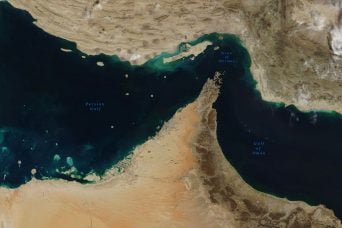
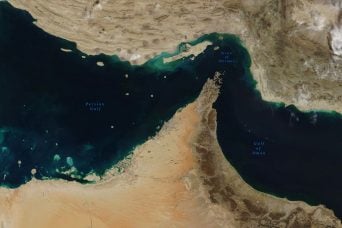
📰The US conducted a strike on an IRGC communications tower on Qeshm Island near the Strait of Hormuz, a critical global energy chokepoint. Strait traffic normalized to 21.5% of expected June levels, down from 38% the previous week, indicating continued disruption to international shipping routes.
GeneralBearishCrypto Briefing · Jun 27/10
📰The US Central Command conducted military strikes against Iranian-flagged oil tankers in the Gulf of Oman as part of a blockade enforcement operation, disabling vessels with precision munitions. This geopolitical escalation in a critical shipping lane has potential implications for global energy markets and cryptocurrency volatility tied to macro risk sentiment.
GeneralBearishCrypto Briefing · Jun 1🔥 8/10
📰Iran has halted US negotiations and threatened to close the Strait of Hormuz in response to Israeli military operations, a geopolitical escalation that threatens global oil supply chains. This development has rattled cryptocurrency markets, which remain sensitive to macroeconomic shocks stemming from energy price volatility and broader geopolitical risk.
$BTC
GeneralBearishCrypto Briefing · May 307/10
📰U.S. Defense Secretary Hegseth affirmed American military control over the Strait of Hormuz amid escalating Iran tensions, a critical chokepoint through which approximately 21% of global petroleum passes. This geopolitical assertion could extend energy market volatility and maritime trade uncertainties, with potential ripple effects on cryptocurrency valuations tied to macroeconomic stability.
CryptoBullishCrypto Briefing · May 297/10
⛓️Bitcoin surged to $74,000 following geopolitical developments involving the Strait of Hormuz naval situation under Trump's administration. The price movement reflects investor sentiment that improved geopolitical stability reduces macroeconomic uncertainty and supports risk-asset valuations including cryptocurrencies.
$BTC
GeneralBearishCrypto Briefing · May 297/10
📰Iran is prioritizing military capabilities, particularly missile development, over diplomatic engagement, which threatens to derail US-Iran nuclear negotiations and escalate regional tensions. This strategic shift complicates prospects for renewed international agreements and increases geopolitical instability.
GeneralBearishCrypto Briefing · May 28🔥 8/10
📰Iran conducted military strikes against a US airbase following Trump's dismissal of reports regarding a potential Hormuz Strait agreement. This geopolitical escalation raises crude oil prices and increases market volatility, creating ripple effects across global financial markets and cryptocurrency valuations tied to macroeconomic stability.
CryptoBearishBlockonomi · May 28🔥 8/10
⛓️U.S. airstrikes on Iran sparked a sharp cryptocurrency market selloff, with Bitcoin dropping below $73,000 and triggering $958M in liquidations across leveraged positions. The geopolitical escalation rippled through global financial markets, depressing stock futures and highlighting crypto's sensitivity to macroeconomic shocks and risk-off sentiment.
$BTC
GeneralBearishCrypto Briefing · May 28🔥 8/10
📰Escalating military tensions between the US and Iran threaten the stability of global oil supplies, particularly through the critical Strait of Hormuz. The deterioration of diplomatic prospects raises risks of supply disruptions that could trigger inflationary pressures, reshape monetary policy expectations, and create volatility across risk assets including cryptocurrencies.
GeneralBearishCrypto Briefing · May 28🔥 8/10
📰Military tensions escalated in the Strait of Hormuz with reported exchanges of fire between US and Iranian forces, raising concerns about potential disruptions to global oil supplies and regional stability. Such geopolitical friction historically correlates with crude oil price volatility, which indirectly influences cryptocurrency market dynamics through macroeconomic uncertainty.
GeneralBearishCrypto Briefing · May 27🔥 8/10
📰Trump has called for NATO military intervention at the Strait of Hormuz and threatened unilateral US military action, a stance that escalates US-Iran tensions and carries significant implications for global oil markets and geopolitical stability.
GeneralBearishCrypto Briefing · May 277/10
📰ECB Vice President Luis de Guindos highlighted energy supply shock risks in the Financial Stability Review, warning that weaker economic growth from energy disruptions could reduce investor risk appetite across markets including cryptocurrency. The warning signals potential headwinds for risk assets as macroeconomic conditions deteriorate.
GeneralBearishCrypto Briefing · May 12🔥 8/10
📰The Iranian Revolutionary Guard Corps (IRGC) has expanded its military control over the Strait of Hormuz, a critical chokepoint through which approximately 20-30% of global petroleum passes. This escalation heightens regional tensions and could trigger volatility in oil markets, with downstream effects on cryptocurrency valuations and macroeconomic conditions affecting digital asset investors.
GeneralBearishCrypto Briefing · May 12🔥 8/10
📰Escalating US-Iran tensions threaten stability in the Strait of Hormuz, a critical chokepoint through which approximately 21% of global petroleum passes daily. Supply disruptions in this region could trigger significant oil price volatility, affecting economies worldwide and indirectly impacting cryptocurrency and digital asset markets that correlate with macroeconomic stability.
GeneralBearishCrypto Briefing · May 117/10
📰Iran is advancing its nuclear program while facing mounting internal regime instability, raising concerns about regional tensions and complicating diplomatic efforts. This development carries significant implications for global security dynamics and could influence macroeconomic factors affecting crypto and tech markets.
GeneralBearishCrypto Briefing · May 117/10
📰Trump rejected Iran's peace proposal, escalating geopolitical tensions that have driven oil prices higher. Rising energy costs pose risks to global economic stability through inflationary pressures and potential central bank policy shifts, with cascading effects on financial markets and cryptocurrency valuations.